

Sorry, this item is currently out of stock.
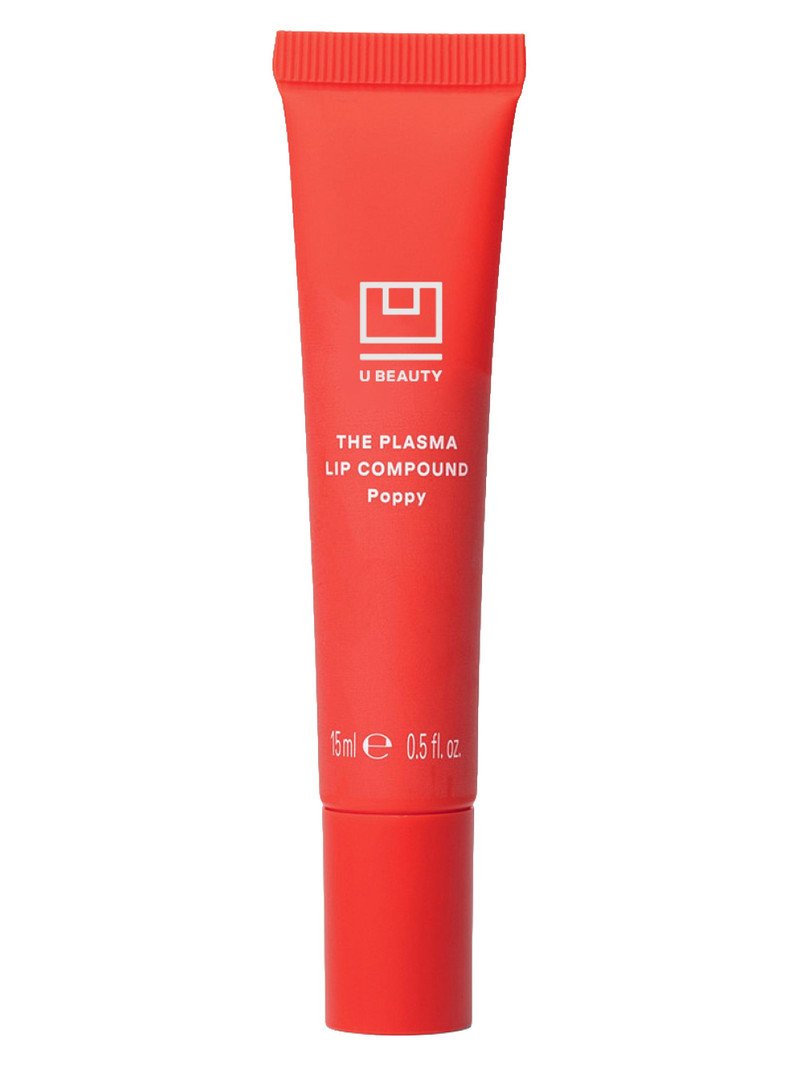
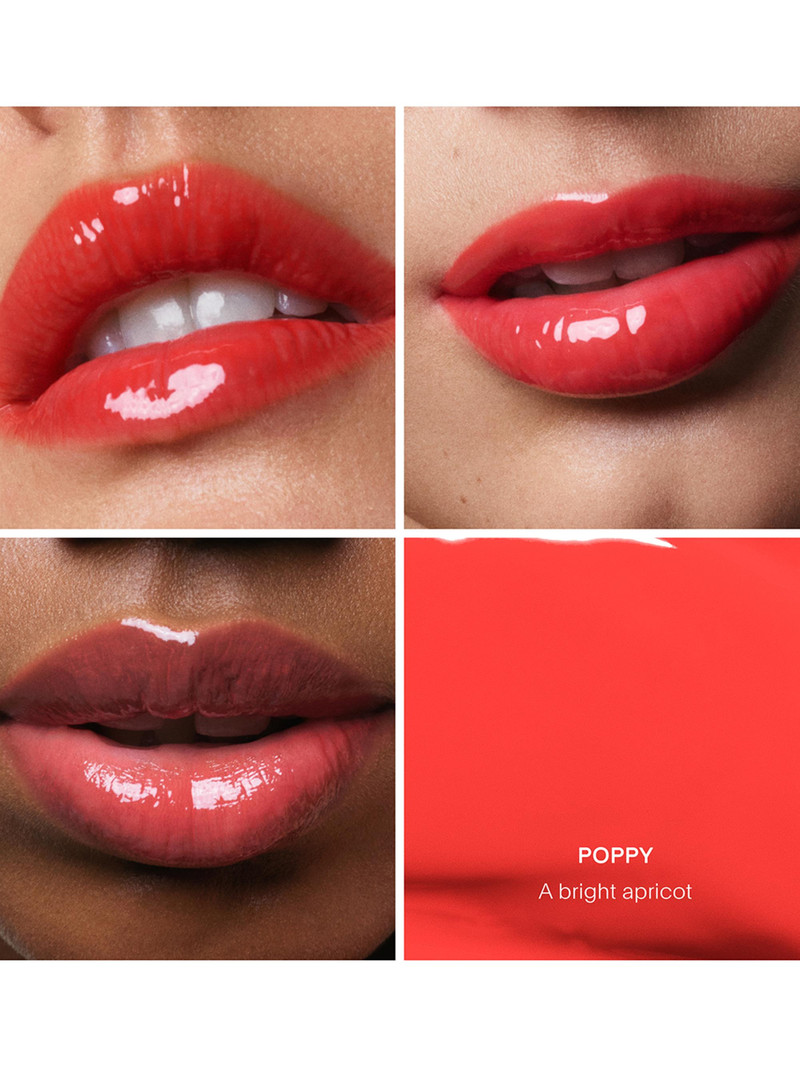
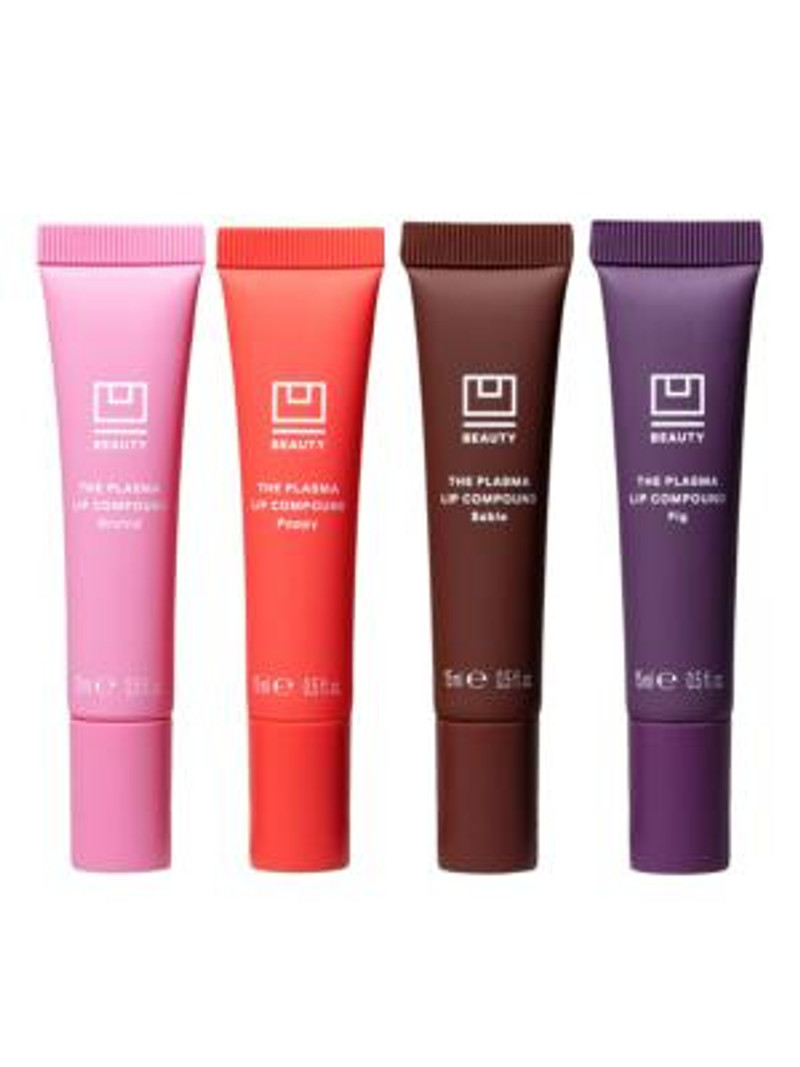
Women's The Plasma Lip Compound - Poppy
Description
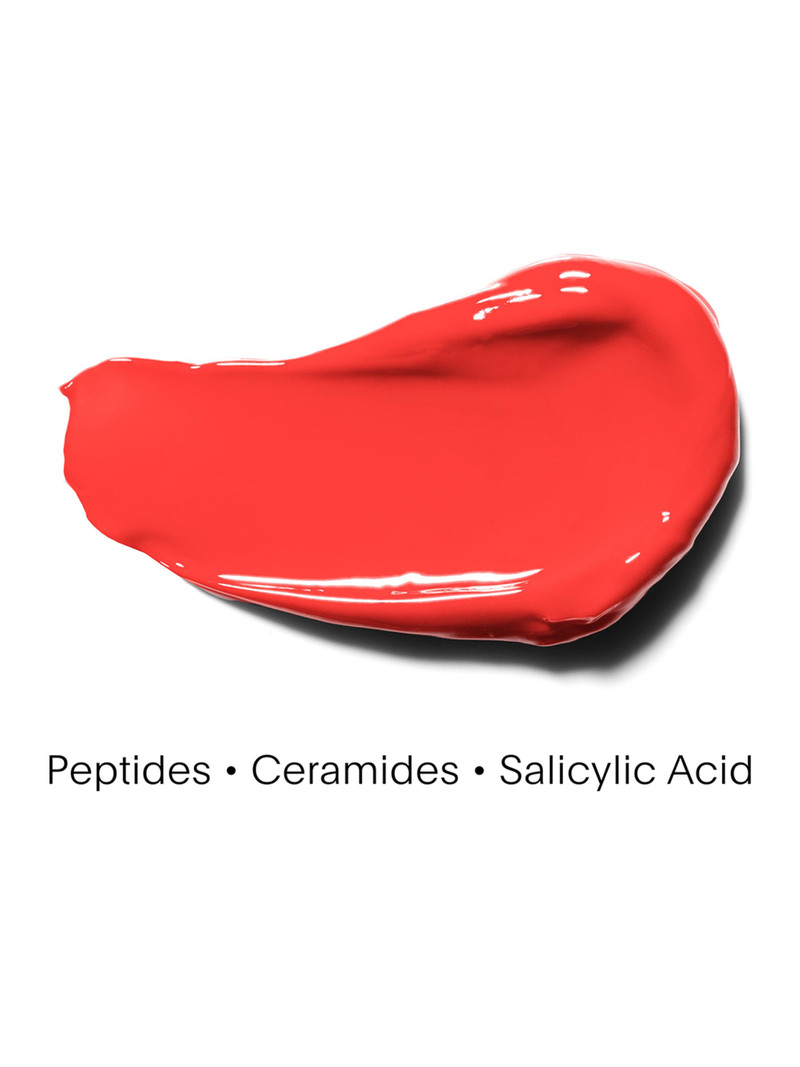
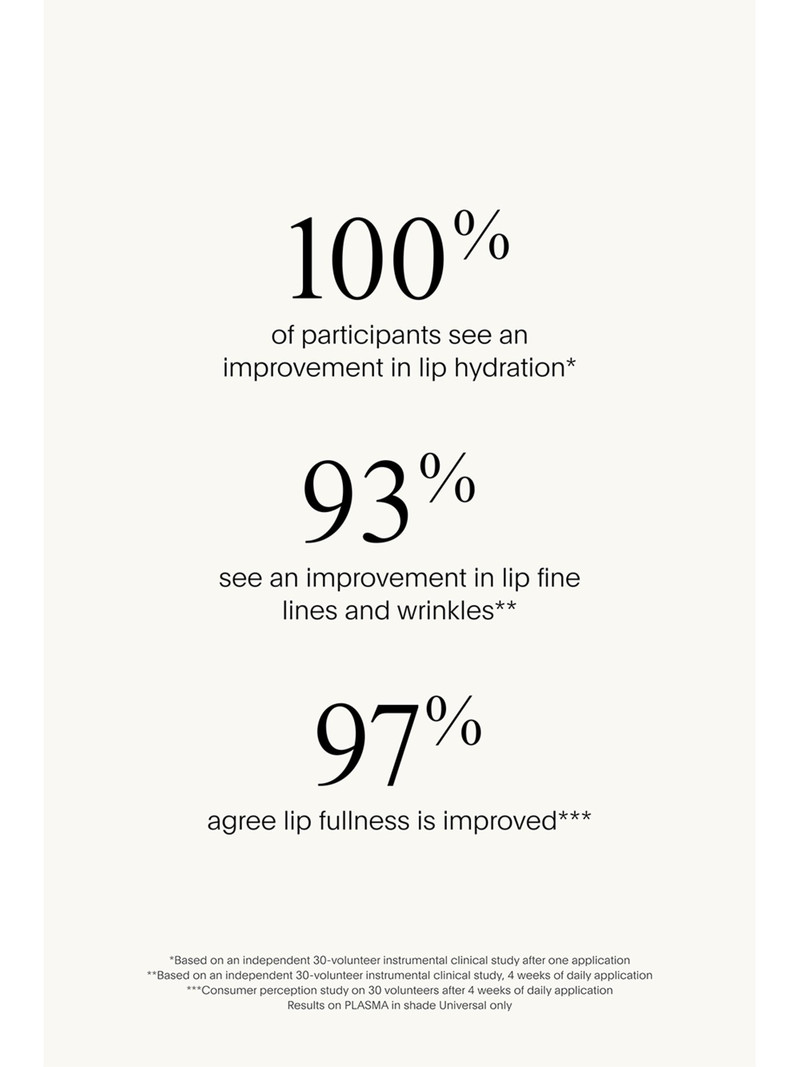
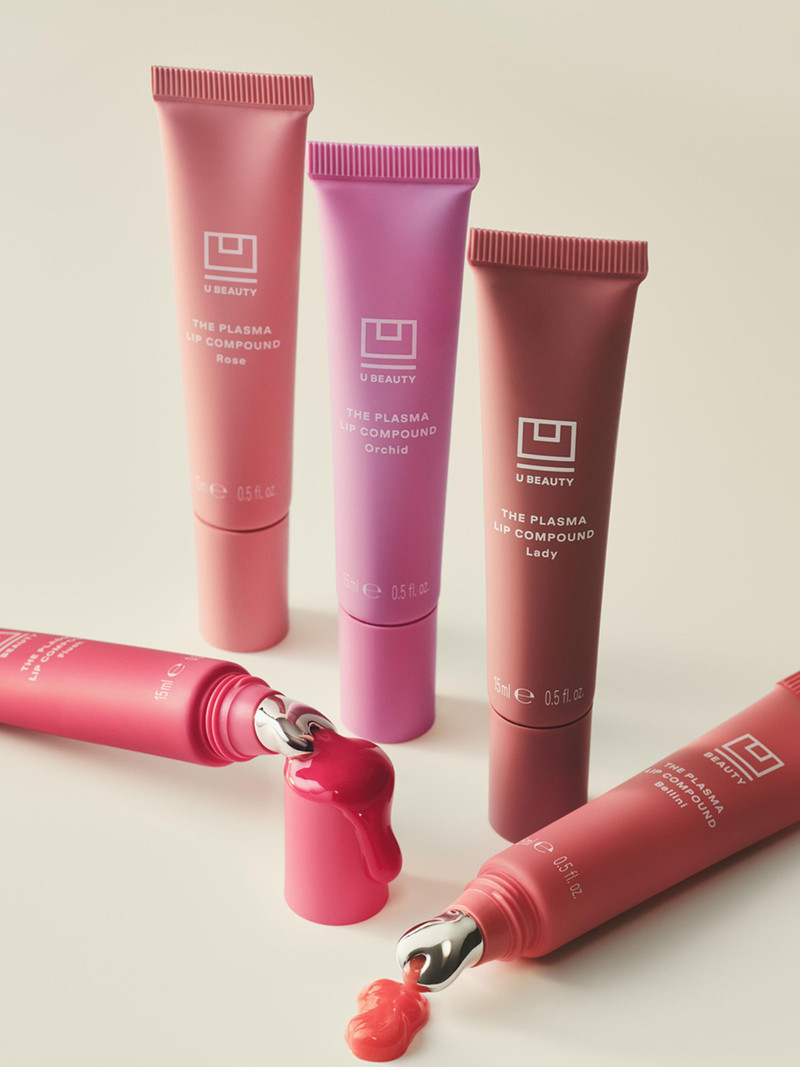
WHAT IT IS A transformative treatment formulated to visibly reshape and plump lips: The Plasma Lip Compound provides anti-aging benefits while enhancing lips with a 3D cushion effect. 0.5 oz. Made in Italy. WHAT IT DOES Featuring dual patent-pending SIREN Capsule Technology, The PLASMA's VOLUME SIREN, and HYDRA-SIREN Capsules regulate cell activity and increase hydration, while peptides and barrier-strengthening ceramides visibly restore lipid levels, boost collagen tissue remodeling, and promote hyaluronic acid synthesis for a pillowy effect. A single application delivers instant locked-in hydration and visible improvement in color, softness, and smoothness. After four weeks of twice-daily use, visible plumping effects and volume are fully realized for natural-looking lip enhancement. HOW TO USE IT Using the metal applicator, apply a generous swipe of the PLASMA Lip Compound to clean dry lips. Apply as desired. For best results, use at least twice daily. ACTIVE INGREDIENTS Peptides, Ceramides, AHA + PHA, Shea Butter, Beeswax, Hyaluronic Acid KEY INGREDIENTS PATENTED BIO-INSPIRED SKIN CONDITIONER: Antioxidant that visibly plumps lips and minimizes lines and wrinkles PEPTIDES: Increase hyaluronic acid and collagen synthesis, and boost skin renewal AHA + PHA: Gently exfoliate surface skin to soften and smooth CERAMIDES: Reinforce the skin's moisture barrier and visibly repair skin SPECIAL MINERAL PIGMENTS: A selected blend of mineral pigments helps optimize skin color, providing it with a healthier look. Style Code: 0400016400730
Product details provided by: Saks Fifth Avenue
Product IDs
- REVERSIBLE ID
- 156331353
- Brand style ID
- 0400016400730
- GTIN
- 00850022804700