

Weekly Fashion Highlights | Maria Grazia Chiuri Exits Dior...
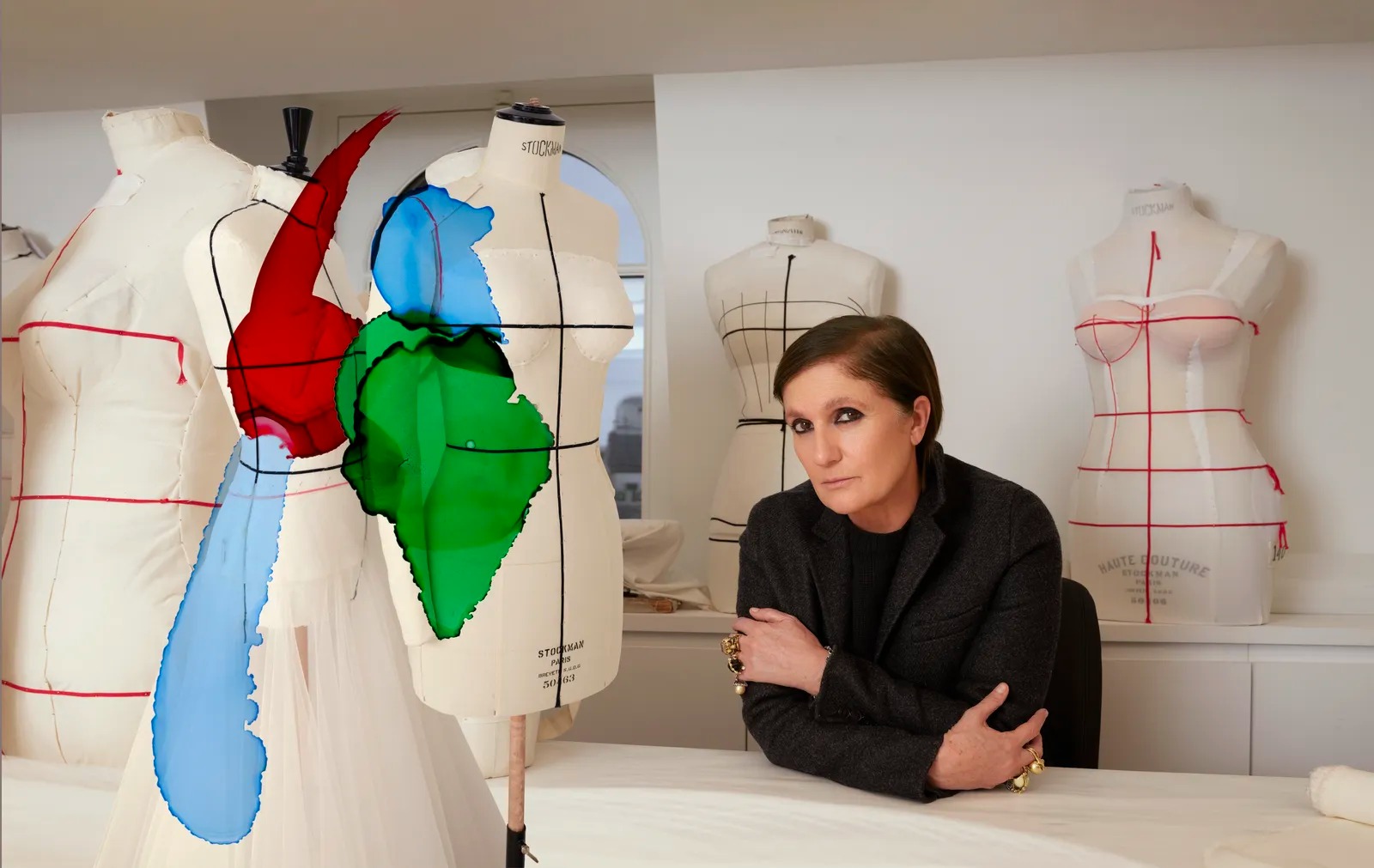
Dior has officially confirmed the exit of Maria Grazia Chiuri, the esteemed creative director of the House of Dior. As the inaugural female creative director in the brand's storied legacy, Chiuri instigated transformative shifts throughout her tenure. Her audacious feminist declarations and dedication to global craftsmanship have profoundly influenced the fashion industry, redefining notions of luxury, femininity, and the role of apparel as a medium for personal expression.
Her departure signifies the conclusion of a significant chapter, while the recent surge in brand and creative director transitions within the industry suggests the dawn of a new era in fashion. Stay tuned for more insights and developments in the industry this week, brought to you by REVERSIBLE.
Maria Grazia Chiuri To Exit Dior
(Image credit: Viviane Sassen/Vogue)
It’s the end of an era. After a remarkable nine-year tenure as the creative director of Dior’s women’s haute couture, ready-to-wear, and accessories lines, Maria Grazia Chiuri is departing from the esteemed French luxury maison. The Italian designer commenced her illustrious career at Fendi in 1989 as a handbag designer, transitioning to Valentino in 1999 as an accessories designer, and ascending to co-creative director alongside Pierpaolo Piccioli in 2008. In 2016, Chiuri made history as the first woman to helm Dior since its inception in 1947.
Her inaugural SS17 collection drew inspiration from the art of fencing and prominently featured slogan T-shirts proclaiming “We should all be feminists,” establishing a powerful narrative of female empowerment that has characterized her leadership. Furthermore, Chiuri has consistently referenced classic designs from Dior's rich archives, exemplified by the relaunch of the iconic Saddle Bag in 2018, a hallmark of the Galliano era. Each year, Chiuri orchestrates a series of Dior collections, including women's ready-to-wear shows, haute couture shows, resort collection, and pre-fall collection, highlighting the craftsmanship of artisans.
During her tenure, Chiuri has achieved remarkable commercial success. According to HSBC data, Dior's haute couture sales surged from €2.2 billion in 2017 to €9.5 billion in 2023. However, her later creations exhibited signs of decline, compounded by the broader slowdown in the luxury market, resulting in a drop to €8.7 billion in 2024. The identity of Chiuri's successor remains undisclosed. The anticipation surrounding who will assume leadership of this expansive French fashion house is palpable, and the industry watches with bated breath.
Ralph Lauren’s FY2025 Sales Rise 8% On Strong Global Demand
(Image credit: Victor VIRGILE/Gamma-Rapho via Getty Images)
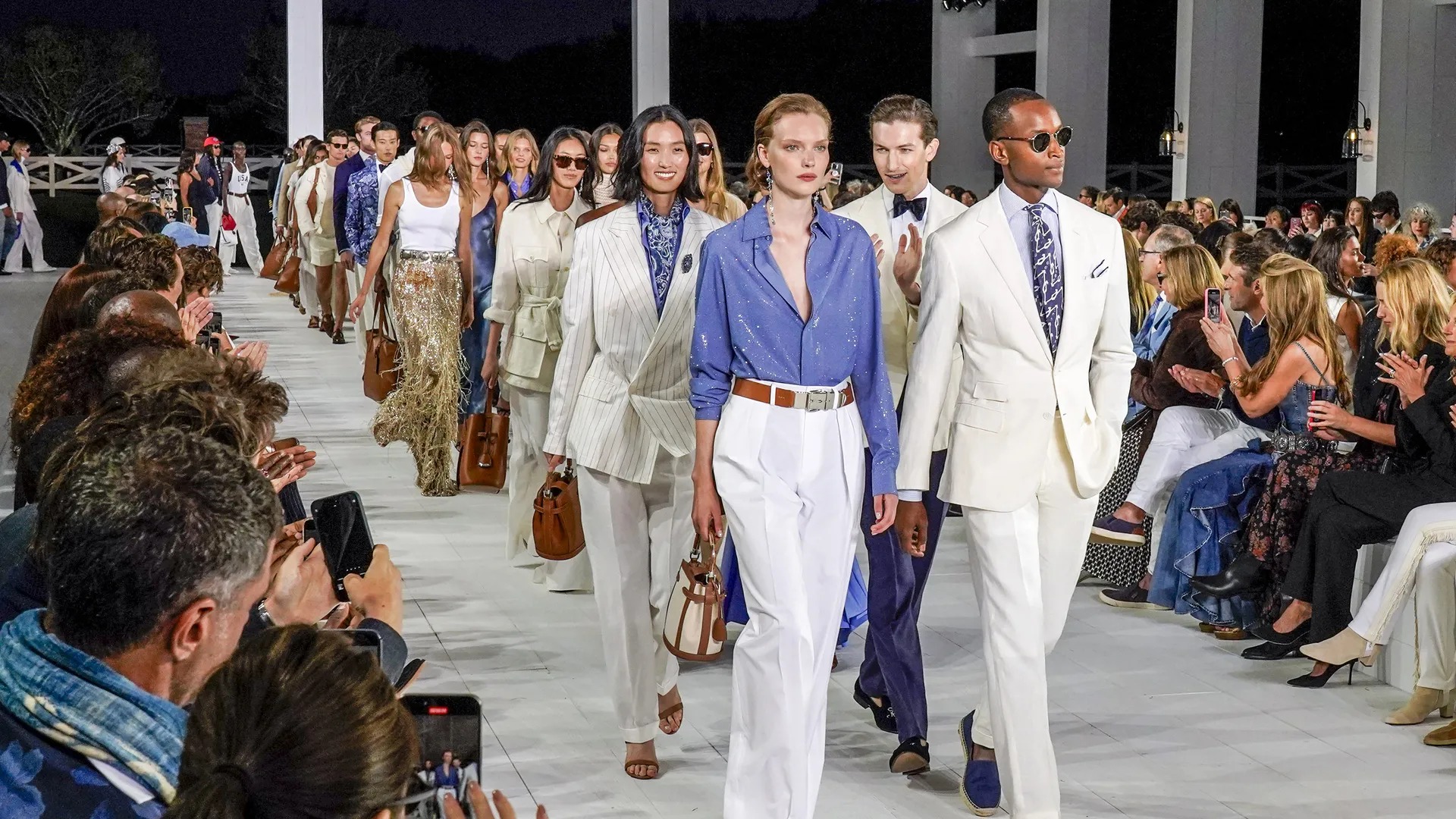
New York, May 2025 — Ralph Lauren announced an 8% year-over-year revenue increase for fiscal year 2025, totaling $7.1 billion, with fourth-quarter sales up 10%. The brand exceeded expectations thanks to improved inventory management, fewer promotions, and a sharpened focus on core products, resulting in a gross margin of 66.2% and a healthy rise in net income. CEO Patrice Louvet emphasized that the brand’s continued success is rooted in “value-led storytelling, consistent aesthetics, and global strategy execution.” As consumers increasingly seek identity through lifestyle brands, Ralph Lauren’s timeless position remains strong.
International markets were the primary growth driver, especially Asia and Europe. China saw more than 20% growth in Q4, driven by Lunar New Year activations and enhanced flagship experiences. Japan and South Korea also rebounded steadily, with strategic DTC investments yielding high returns. Meanwhile, digital transformation remained key: traffic and engagement on Ralph Lauren’s websites and mobile apps hit new highs. Direct-to-consumer now accounts for a growing share of revenue, supported by data-driven personalization and seamless consumer experiences.
Looking ahead to fiscal 2026, the company expects low-to-mid single-digit revenue growth, with stronger performance in the first half. Ralph Lauren will continue to build its design language around a fusion of classic icons and regionally inspired capsule collections. The brand will further embrace its “quiet luxury” identity while investing in supply chain flexibility and localized storytelling. Despite geopolitical uncertainties, Ralph Lauren maintains strong brand sentiment worldwide. As Louvet notes, “We’re not trend-dependent. We’re building aesthetic universality that transcends time and geography.”
Balenciaga And Lamborghini Reimagine The Aesthetics Of Speed
(Image credit: Stef Mitchell)
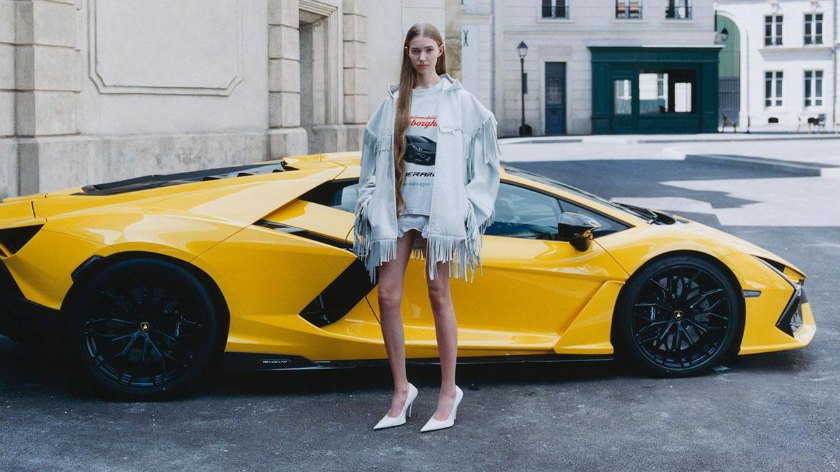
In May 2025, Balenciaga and Italian supercar brand Lamborghini launched a groundbreaking collaboration, bridging the worlds of high fashion and high-speed engineering. This partnership pushes beyond aesthetics—it tells a futuristic narrative through the shared language of velocity and form. Demna, Creative Director of Balenciaga, stated: “This is not a collaboration in the traditional sense. It’s a collision of energy fields, a mutual storytelling of motion, power, and identity.” The collection draws from Lamborghini’s signature design DNA—sharp lines, aerodynamic silhouettes, and carbon fiber details—to create a fashion vocabulary built for speed.
The collection features ready-to-wear, leather goods, and jewelry, all designed with a kinetic sensibility. Oversized bomber jackets printed with blueprints of the Lamborghini Temerario concept car, deconstructed racing jackets, layered metallic tees, and asymmetrical shirts form the core of the apparel line. Balenciaga classics like the Hourglass and Rodeo bags are reinvented with Lamborghini crests, automotive textures, and high-gloss elements. Accessories such as dashboard-shaped clutches and key-fob charms express mechanical elegance in miniature, celebrating detail as a form of speed.
To launch the collection, Balenciaga created immersive in-store installations globally, featuring exclusive Lamborghini Revuelto cars, LED-driven visual art, and Apple Vision Pro integration. Visitors can explore the models virtually, experiencing the roots of inspiration behind the garments in an interactive mixed-reality setting. Mitja Borkert, Lamborghini’s Head of Design, noted: “This collaboration is a convergence of design philosophies—not just a capsule, but a statement of what’s next.” Now available in select Balenciaga boutiques and online, the collection redefines cross-sector luxury, using speed and technology as aesthetic tools for the future.
Chanel Becomes The World's Second Largest Luxury Brand
(Image credit: WGACA)
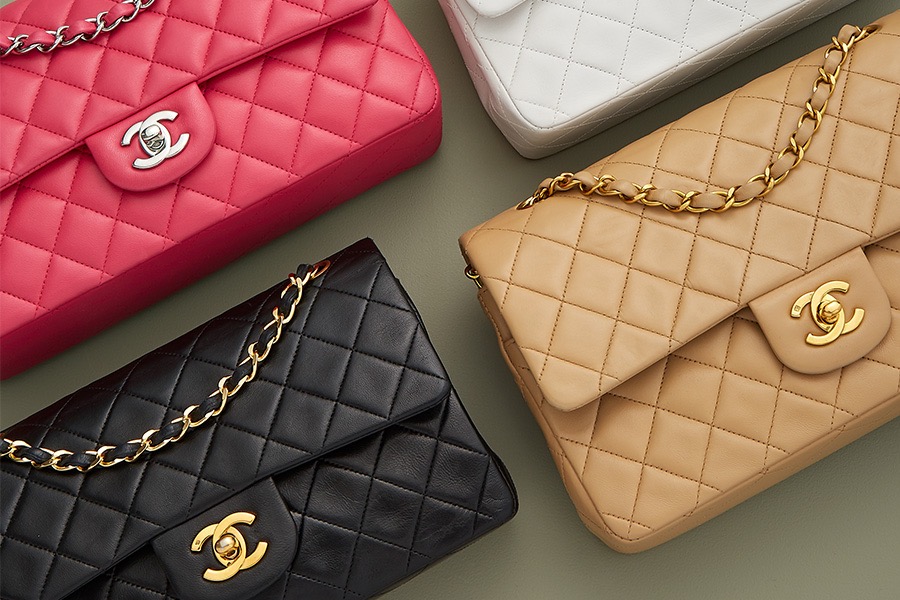
According to the "Luxury & Premium 50" report released by Brand Finance in May 2025, French luxury brand Chanel has jumped to the second largest luxury brand in the world with a brand value of US$37.9 billion, surpassing Louis Vuitton, which has long been at the forefront, and has become the fastest growing luxury brand this year.
The report pointed out that Chanel's brand value increased by 45% year-on-year, the most outstanding performance in the global luxury industry. This achievement is due to its continuous innovation in high-end fashion, jewelry, and perfume, as well as its exquisite management of brand scarcity. In addition, Chanel's brand awareness and customer satisfaction have reached new heights worldwide, especially in the French domestic market, where it received a full score.
In terms of brand strategy, Chanel opened a high-end jewelry flagship store on Fifth Avenue in New York last year, further consolidating its position in the high-end market. At the same time, the appointment of Matthieu Blazy as the new creative director has injected new creative vitality into the brand and attracted the attention of more young consumers.
The rise of Chanel not only reflects its excellent brand management ability but also indicates that the luxury industry is undergoing a profound transformation. In the new market environment, how to find a balance between inheritance and innovation will become the key to the future development of luxury brands.
Kering Acquires Giambattista Valli Through Artémis
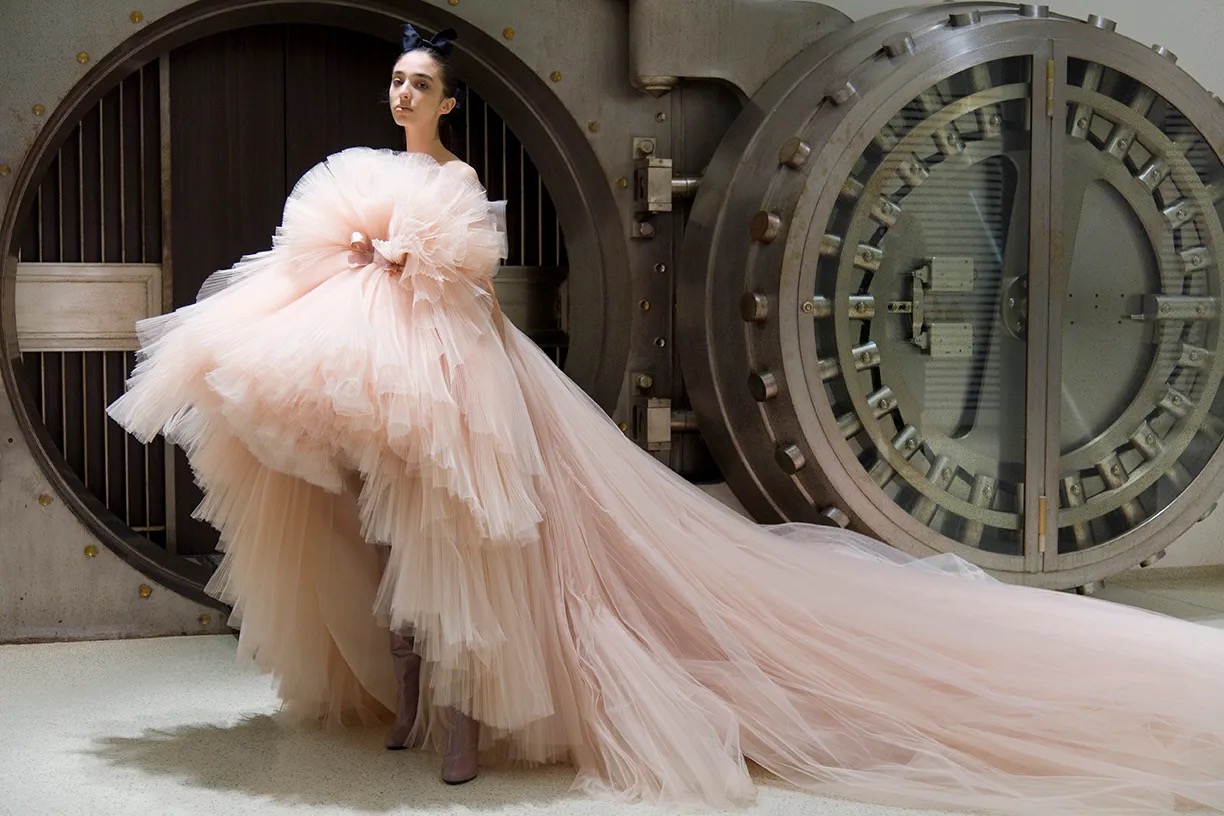
(Image credit: DOMINIQUE MAÎTRE/WWD)
In May 2025, Artémis, the controlling shareholder of French luxury giant Kering, announced the acquisition of all shares of Italian haute couture brand Giambattista Valli, marking Kering's official entry into the field of haute couture. The acquisition is seen as an important step in Kering's strategic layout in the ultra-high-end luxury market.
Giambattista Valli was founded in Paris in 2005 by the designer of the same name and is known for its romantic and flowing dresses and exquisite tailoring. The brand first launched its haute couture collection in 2011 and became a full member of the French Haute Couture Association, becoming the first non-French designer to receive this honor.
In recent years, Kering's layout in the ultra-high-end market has become increasingly obvious. In 2023, the group acquired a 30% stake in Italian luxury brand Valentino and has the right to complete the acquisition by 2028. The acquisition of Giambattista Valli not only enriches Kering's brand portfolio, but also demonstrates its determination to continue to innovate and diversify in the luxury industry. As consumer demand for personalization and high-end customization grows, Kering is expected to gain a more advantageous position in the highly competitive luxury market through this strategic move.
Editor: Juham Lin, Di Su, Clarance Wang