


The products featured here may contain affiliate links.



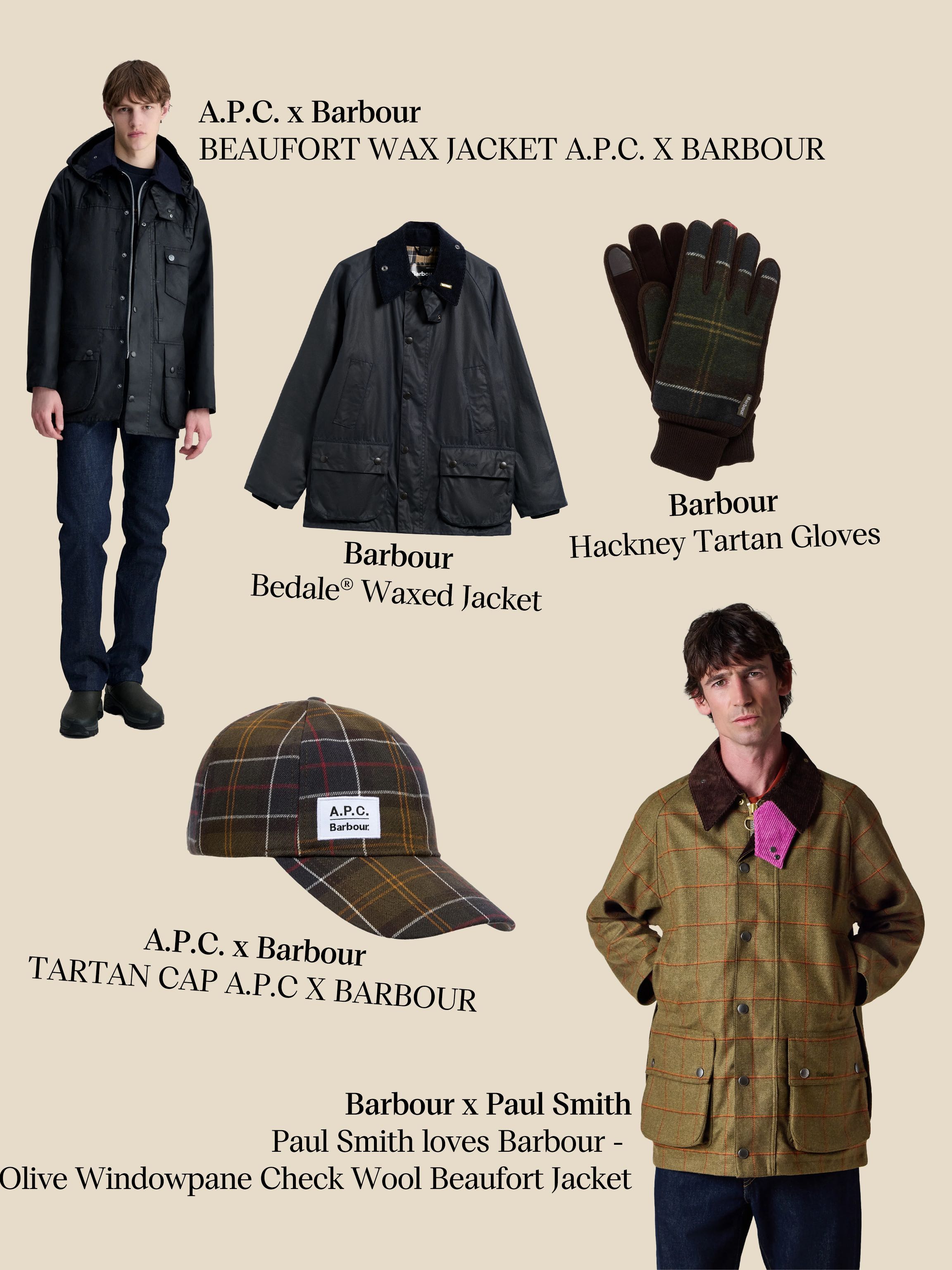
A dockworker’s raincoat or an elite status symbol? What is Barbour to you?
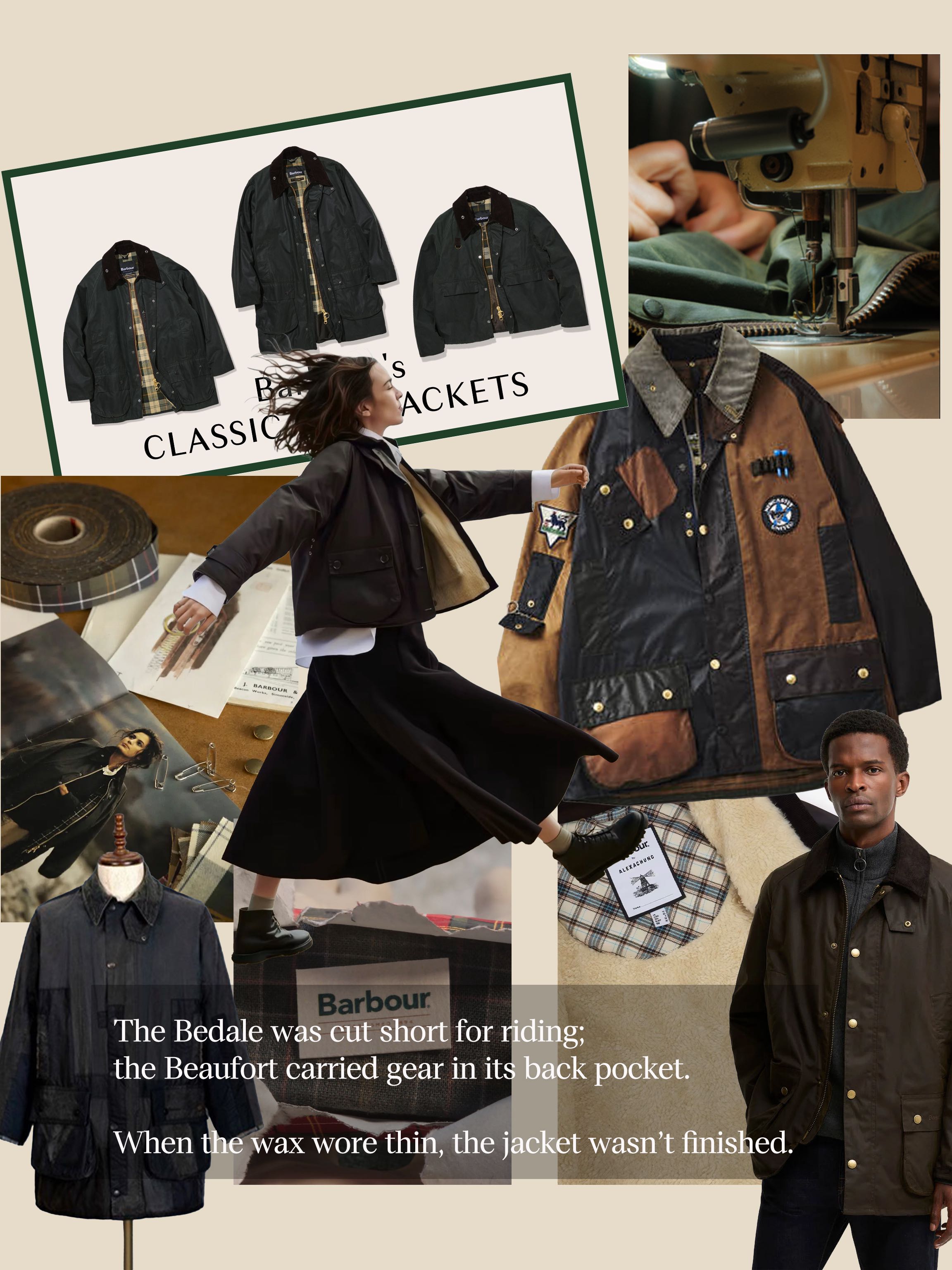
Barbour didn’t start in country estates. It began in 1894 as oilskins for South Shields dockworkers who couldn’t call off work for the rain.
The iconic details were functional first. The Bedale was cut short for riding. The Beaufort’s back pocket held game. When the wax wore down, you re-waxed it. A jacket aging wasn’t a defect; it was maintenance.
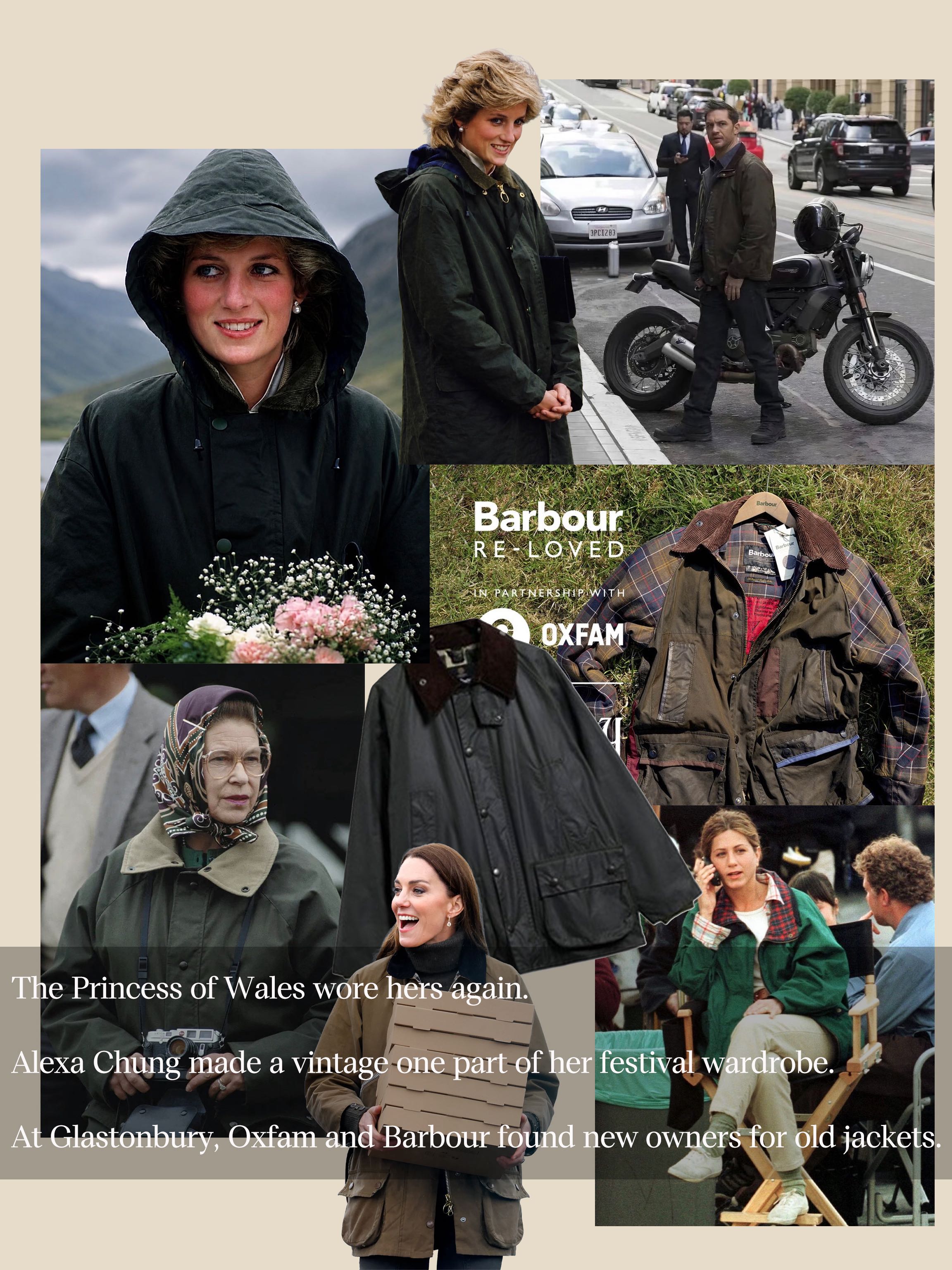
Then the coat left the docks. At Glastonbury, Alexa Chung made a worn-in Barbour the ultimate festival uniform. Meanwhile, the Princess of Wales has worn the exact same jacket for years. Same coat, entirely different dress codes.
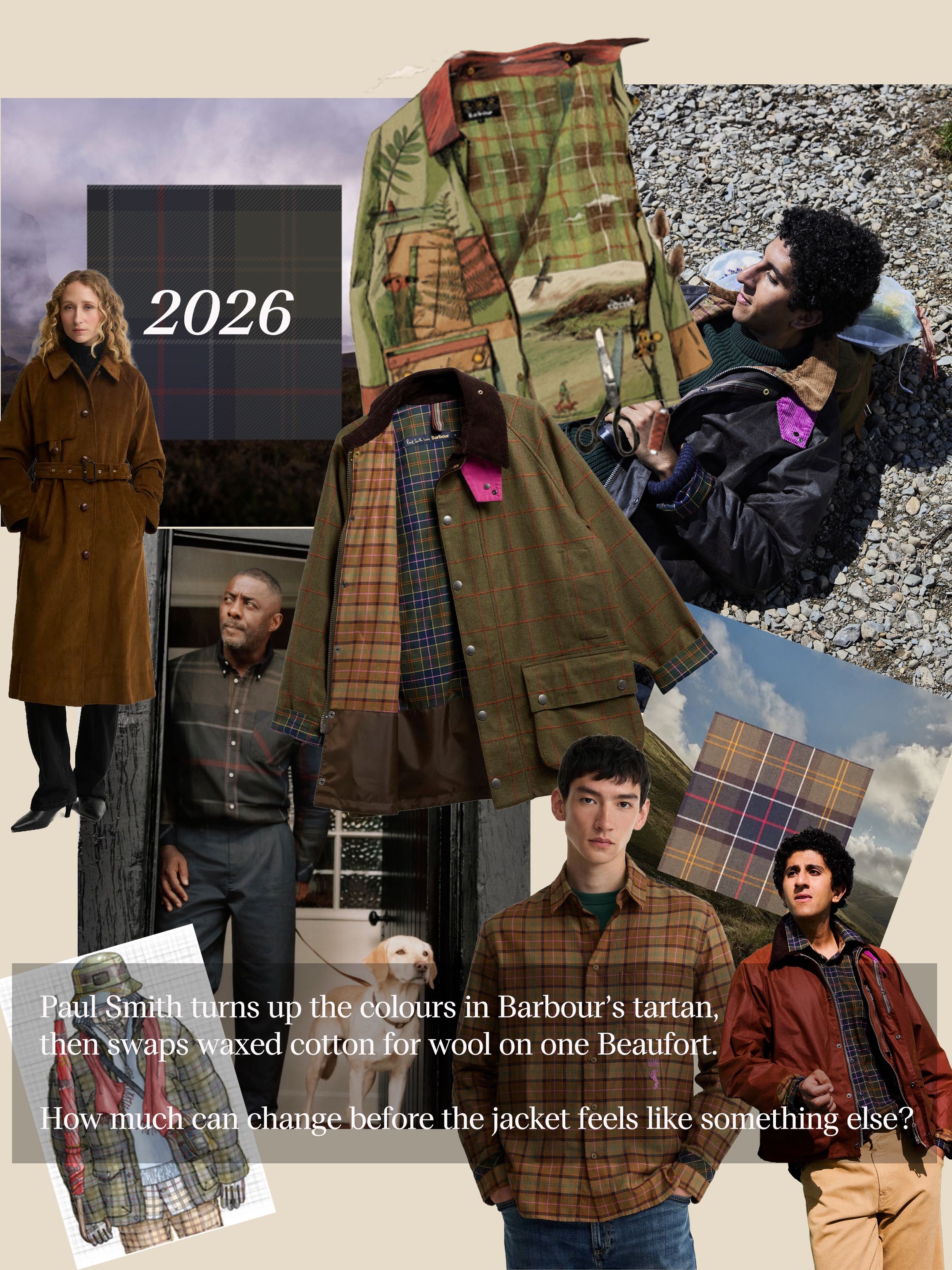
Instead of chasing a single aesthetic, Barbour built a deliberate collaboration strategy. By handing its codes to a diverse roster of designers, from streetwear labels to minimalist ateliers, it injects youth into a 130-year-old brand without erasing its identity.
These aren't just hype drops or logo swaps. The best partnerships act as genuine cultural dialogues, translating a shared philosophy of repair, functionality, and longevity into modern garments. Barbour doesn't borrow relevance from its partners. It lends its history out, letting the world reinterpret it.
When you put on a Barbour, are you dressing for the weather, or for the version of your life where you have somewhere in the country to be? 👇
Explore more style stories on #reversible.
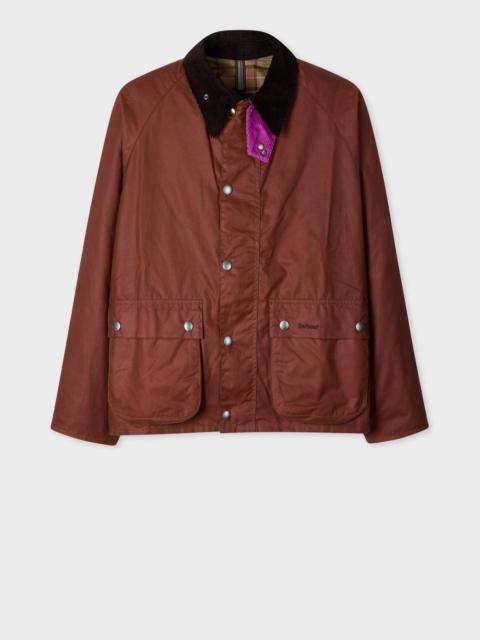
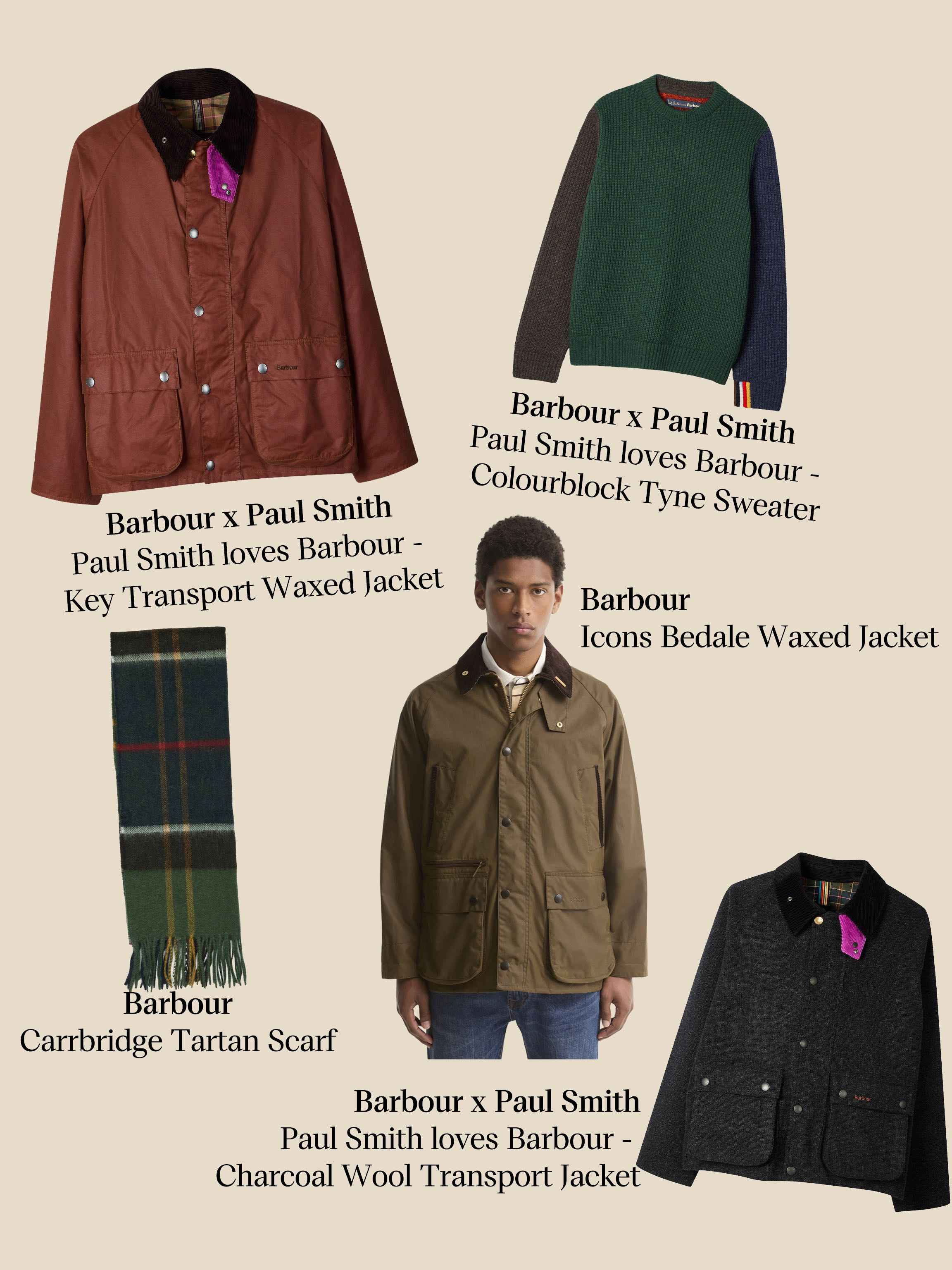
Barbour x Paul Smith
Paul Smith loves Barbour - Key Transport Waxed Jacket
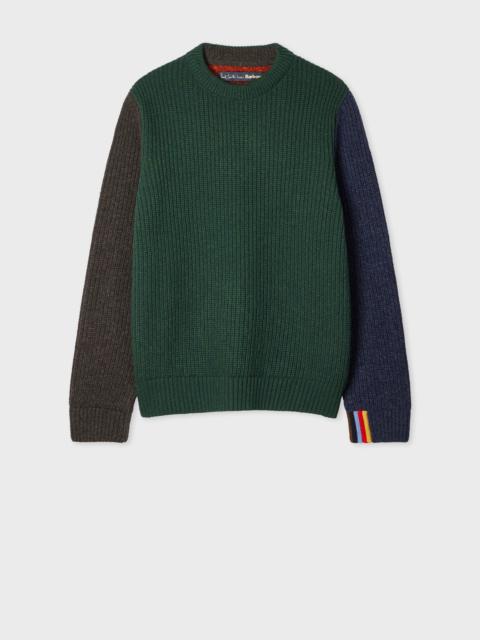
Barbour x Paul Smith
Paul Smith loves Barbour - Colourblock Tyne Sweater
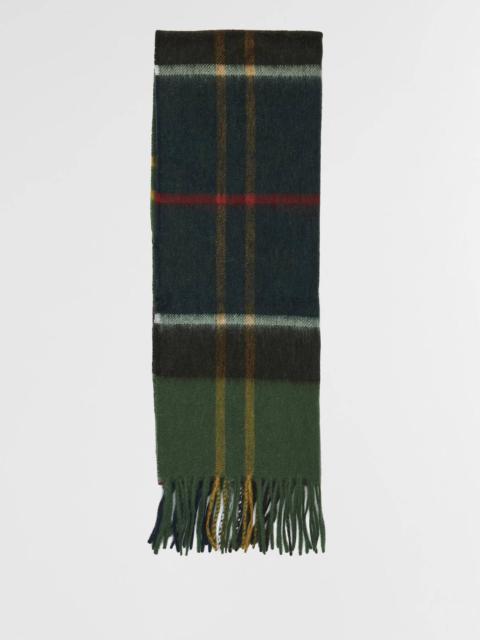
Barbour
Carrbridge Tartan Scarf
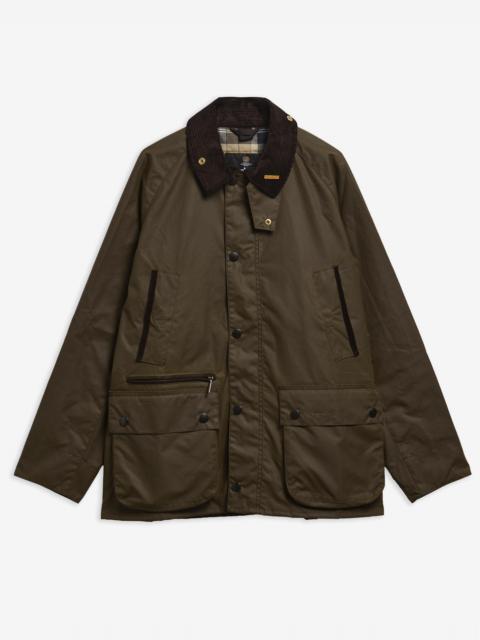
Barbour
Icons Bedale Waxed Jacket
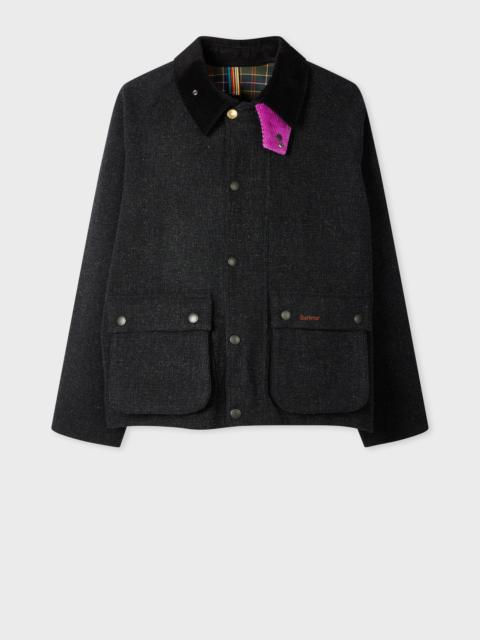
Barbour x Paul Smith
Paul Smith loves Barbour - Charcoal Wool Transport Jacket
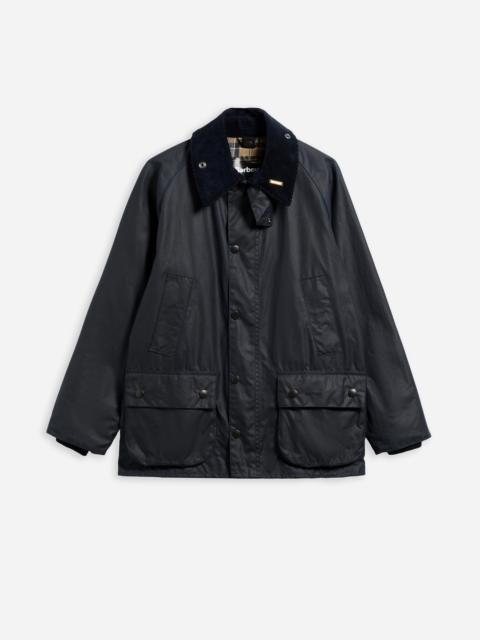
Barbour
Bedale® Waxed Jacket
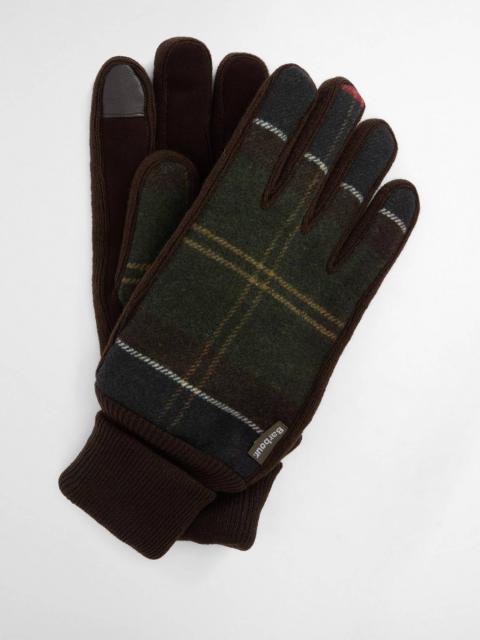
Barbour
Hackney Tartan Gloves

A.P.C. x Barbour
TARTAN CAP A.P.C X BARBOUR
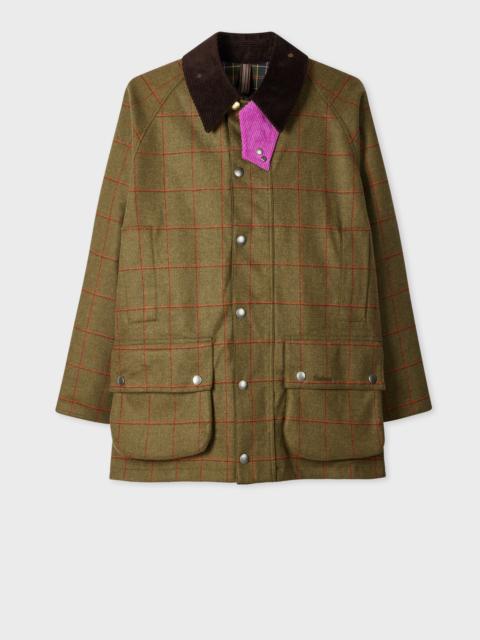
Barbour x Paul Smith
Paul Smith loves Barbour - Olive Windowpane Check Wool Beaufort Jacket
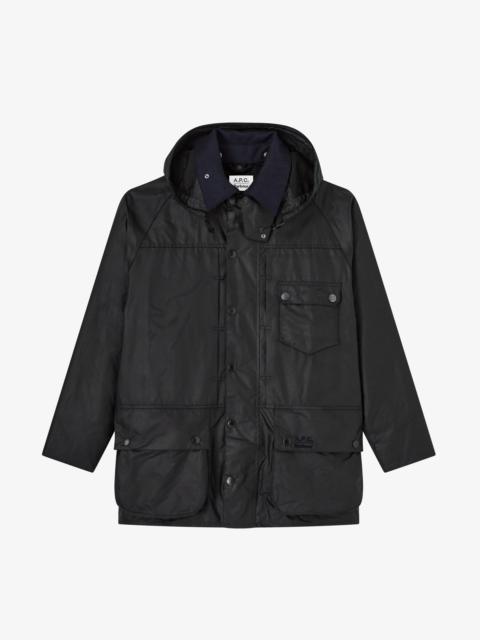
A.P.C. x Barbour
BEAUFORT WAX JACKET A.P.C. X BARBOUR
- No comments
16 likes
Add a comment